Mar 21, 2025
•
5 min read
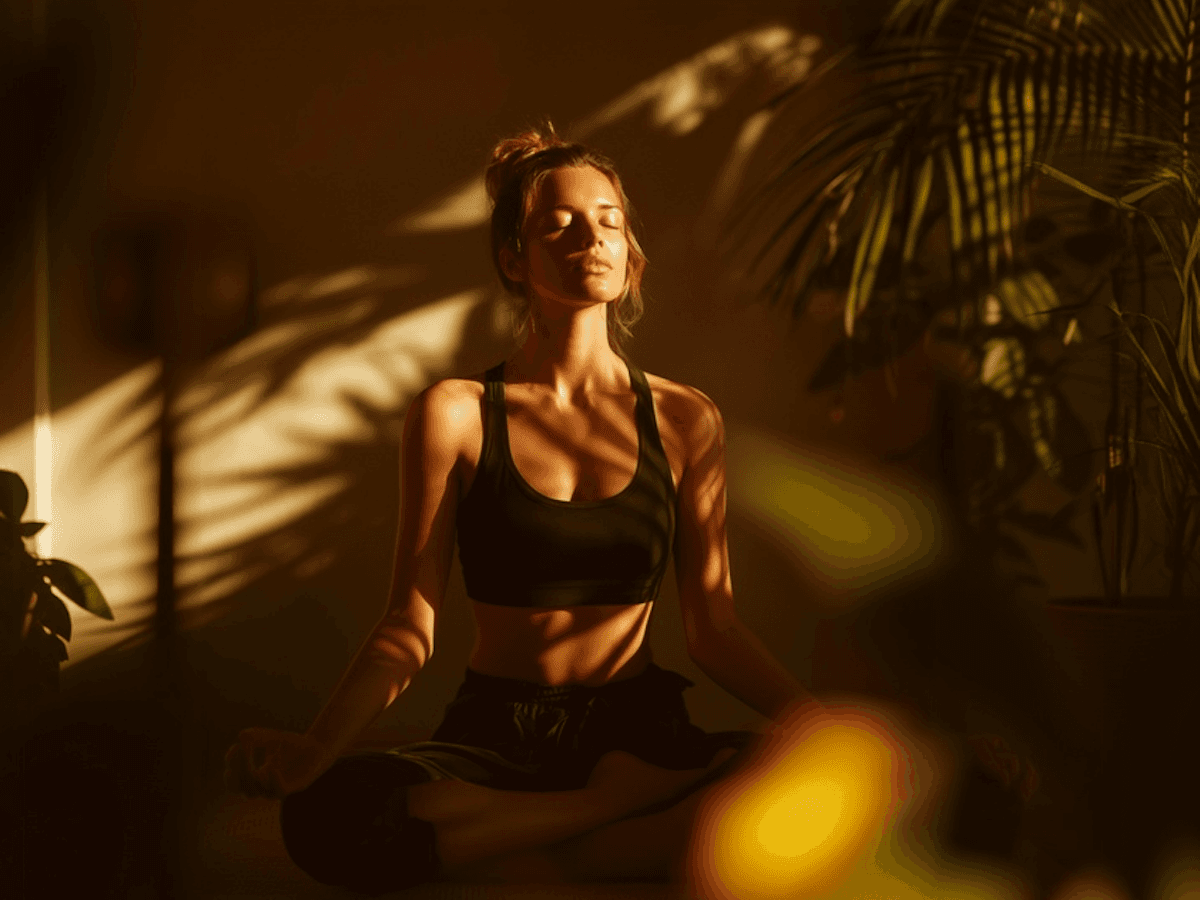
Rest isn't one thing. There are at least seven types, and most people are only getting one of them.
Whenever someone tells me they're exhausted, the first piece of advice they've usually already received is "you just need to rest." And look, it's not wrong exactly. But it's not helpful either, because it assumes rest is one thing. It's not.
Rest is not just sleep
Most people think of rest as sleep or lying on the sofa doing nothing. And yes, those are forms of rest. But they're only two out of at least seven types that your body and mind actually need.
Dr Saundra Dalton-Smith identified seven types of rest, and when I came across her work it changed how I approach recovery with every single client.
The seven types
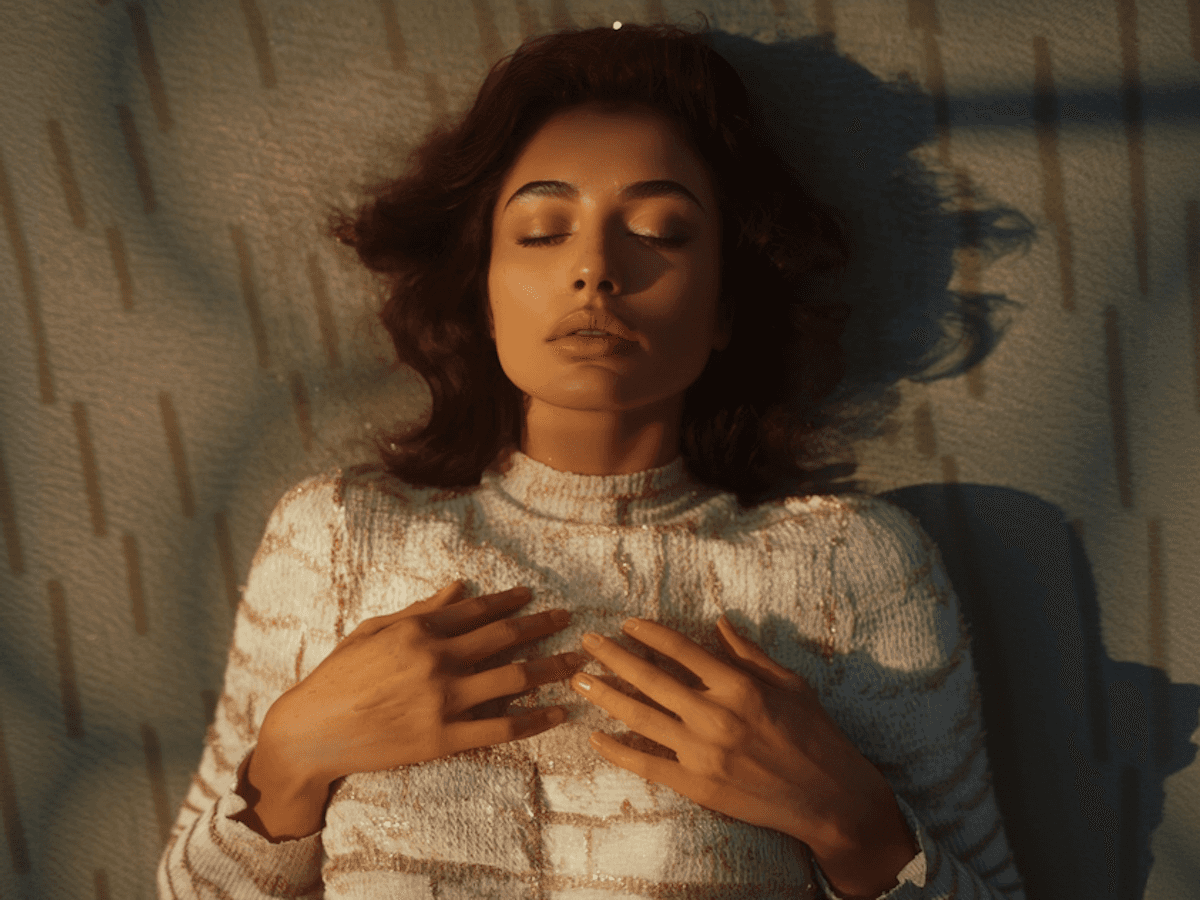
Physical rest is the obvious one. Sleep, naps, letting your body recover. But even this has two sides: passive (sleeping) and active (stretching, yoga, massage).
Mental rest is what you need when your brain won't stop. When you're lying in bed but your mind is running through tomorrow's to-do list. Mental rest means creating breaks in your thinking throughout the day, not just at bedtime.
Emotional rest is the freedom to be honest about how you're feeling. If you spend all day performing "I'm fine" for other people, you're not getting emotional rest even if you're sleeping eight hours.
Social rest means time away from people who drain you and time with people who fill you up. Or just time alone. Not all socialising is equal and not all alone time is restful.
Sensory rest is a break from stimulation. Screens, noise, bright lights, notifications. Your nervous system needs periods of low input to recover.
Creative rest is exposure to beauty and inspiration without the pressure to produce anything. A walk in nature, visiting a gallery, listening to music. Input without output.
Spiritual rest is connection to something larger than yourself. Purpose, meaning, community. It's the feeling that what you're doing matters in some way.
Why this changes everything
When a client comes in saying they're exhausted and they're sleeping nine hours a night, the answer isn't more sleep. The answer is figuring out which type of rest they're actually missing.
Usually it's emotional or social rest. They're surrounded by people but performing all day. They're never actually being themselves in a space that feels safe. And no amount of sleep fixes that.
So next time someone tells you to "just rest," ask yourself: which kind? That question alone can shift everything.

Written by Maya
Holistic wellness coach helping overwhelmed professionals find their way back to balance. Based in California.